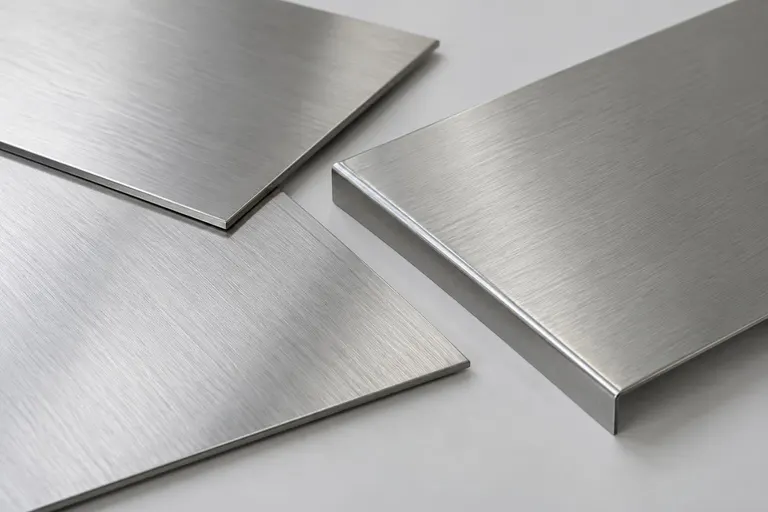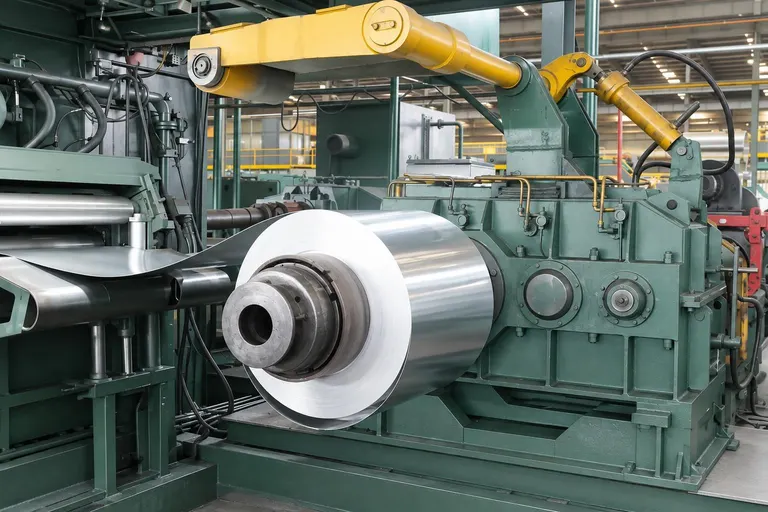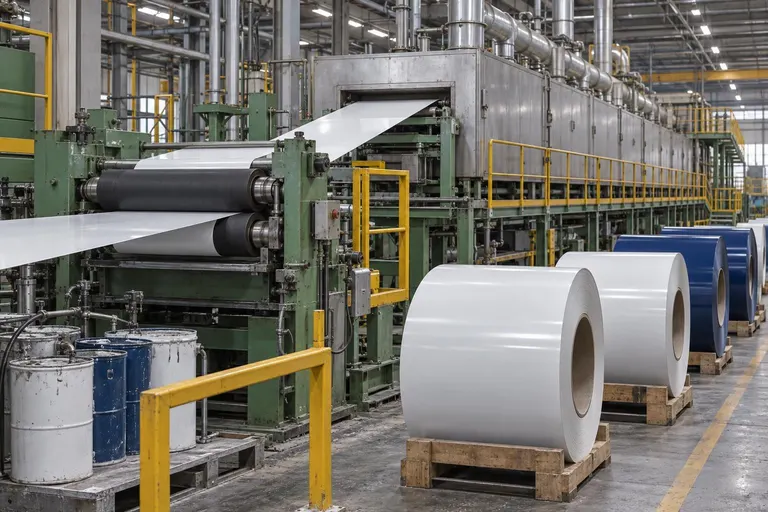
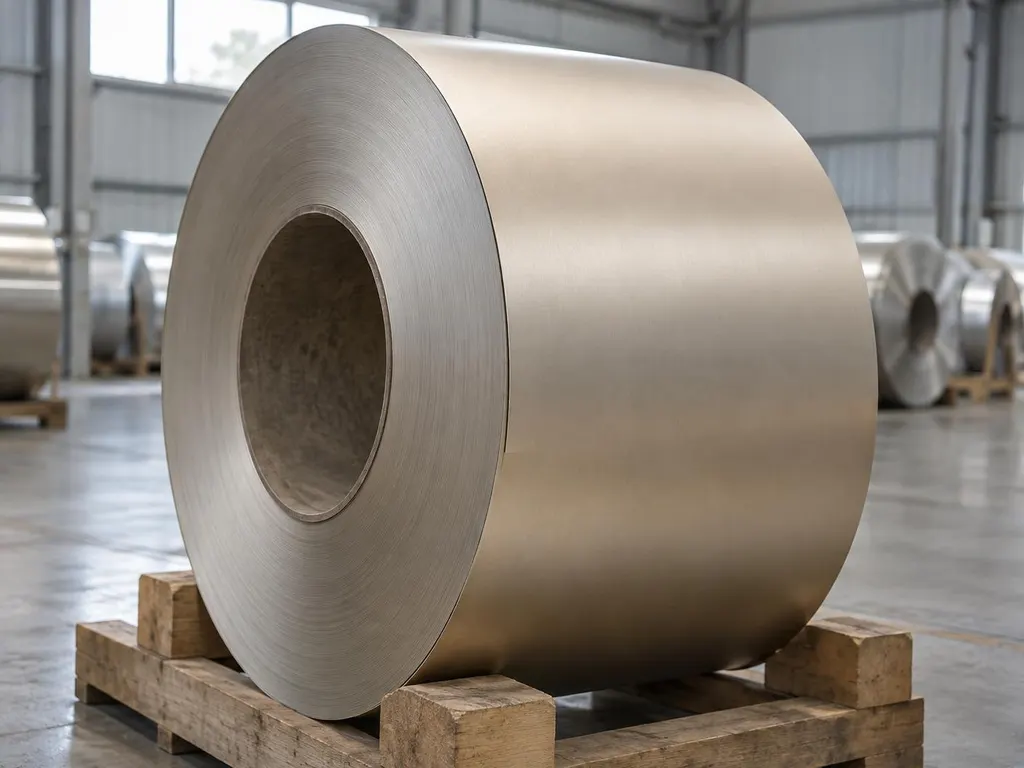
Anodising in coil form keeps the appearance consistent along the full length, and the customer can still cut and form the material afterwards.
Specifications
| Item | Specification |
|---|---|
| Alloy | 1060 / 1100 / 3003 |
| Temper | O / H18 / H24 |
| Thickness | 0.2–3.0 mm |
| Width | 200–1333 mm |
| Thickness tolerance | ±0.01 mm |
| Minimum order, standard specification | 1 MT |
| Minimum order, custom specification | 6 MT |
| Surface | Anodised oxide layer |
Key Features
- The oxide layer is part of the metal, so it will not flake or lift at a cut edge.
- Harder than mill finish, which means fewer handling marks during fabrication.
- Takes colouring without the pigment fade that painted surfaces show after a few years outdoors.
- Consistent along the coil rather than batch by batch, as happens when sheets are anodised one rack at a time.
Applications
Anodised coil is chosen where the surface has to survive handling and stay looking the same for years.
- Electronic and appliance housings
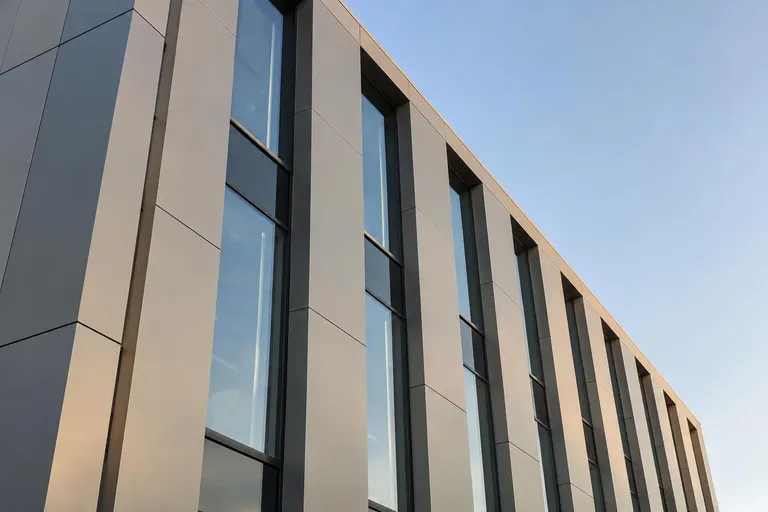
- Interior architectural panels
- Nameplates and signage
- Lighting reflectors and trim
Ordering Information
Send us alloy, temper, thickness, width, coil inner diameter and quantity, and you will get a specific answer rather than a range. Standard specifications start at 1 MT; material made to your own drawing starts at 6 MT. If what you need falls outside the table above, send it anyway. We would rather say plainly that it does not fit our lines than take the order and miss the date.