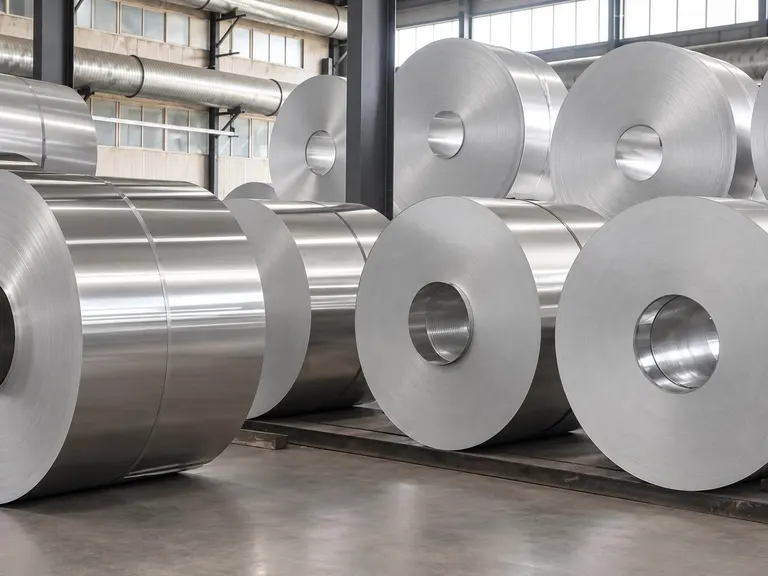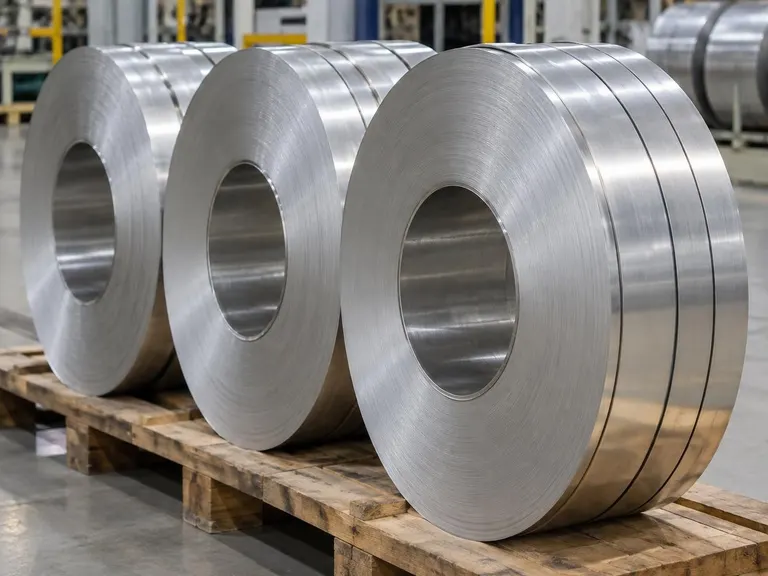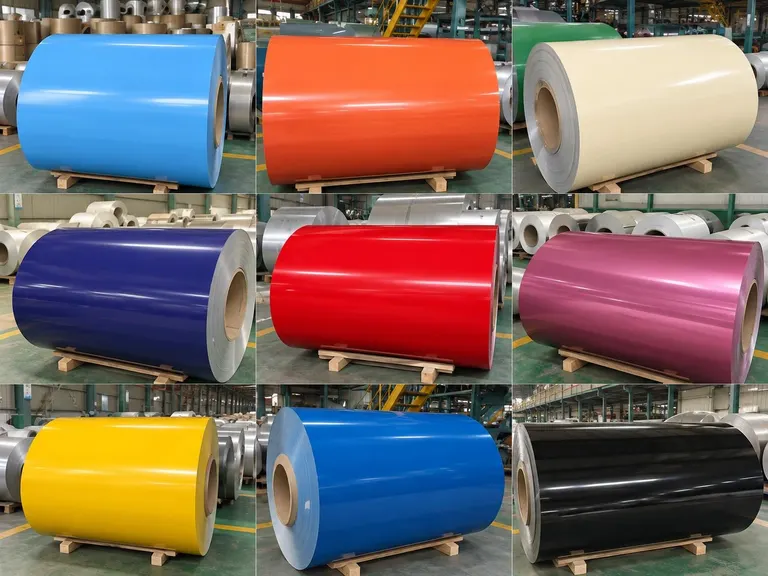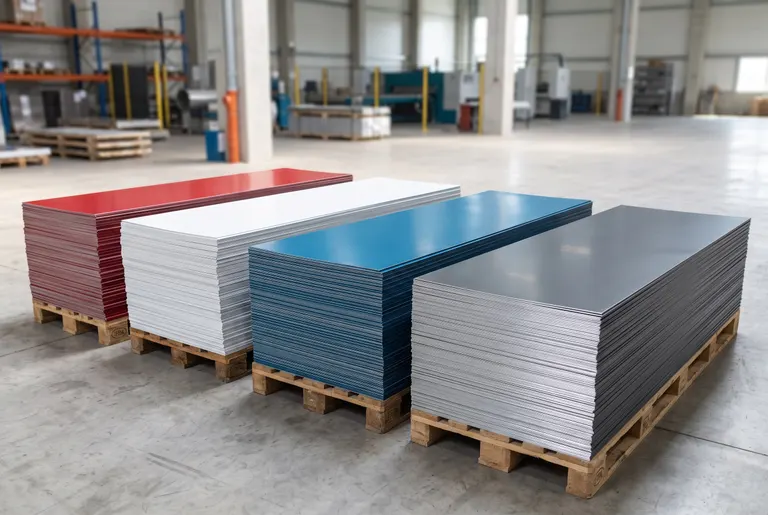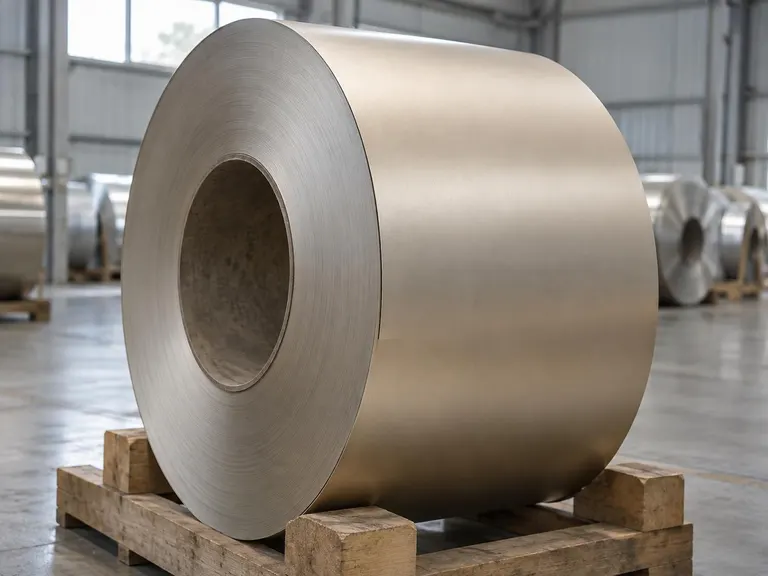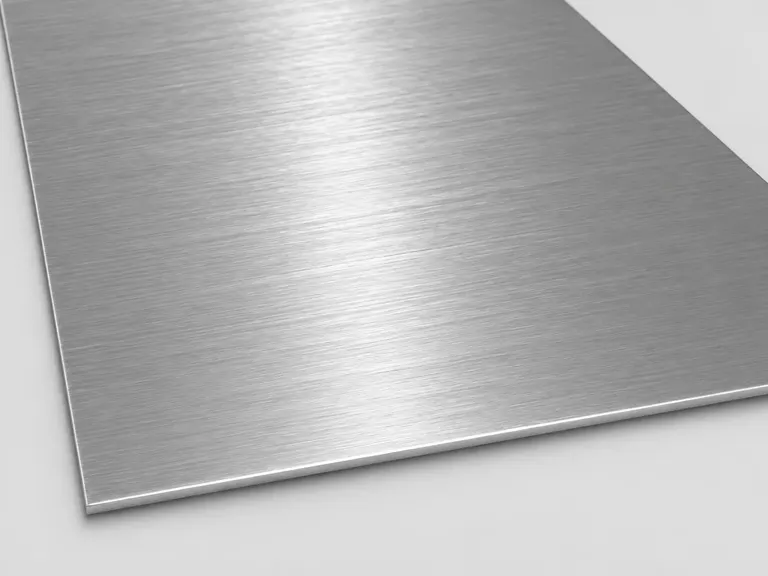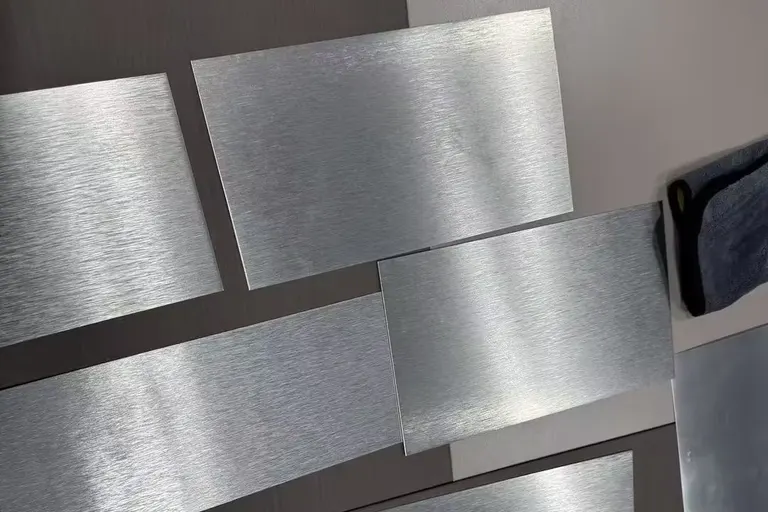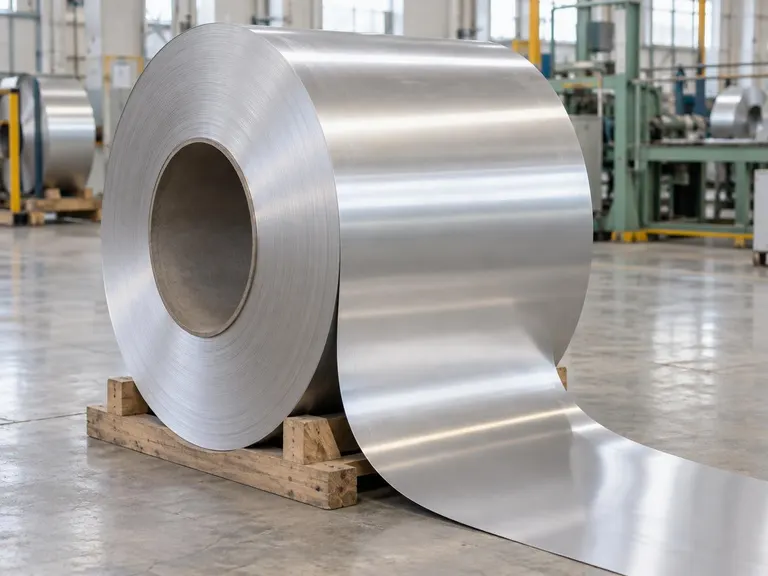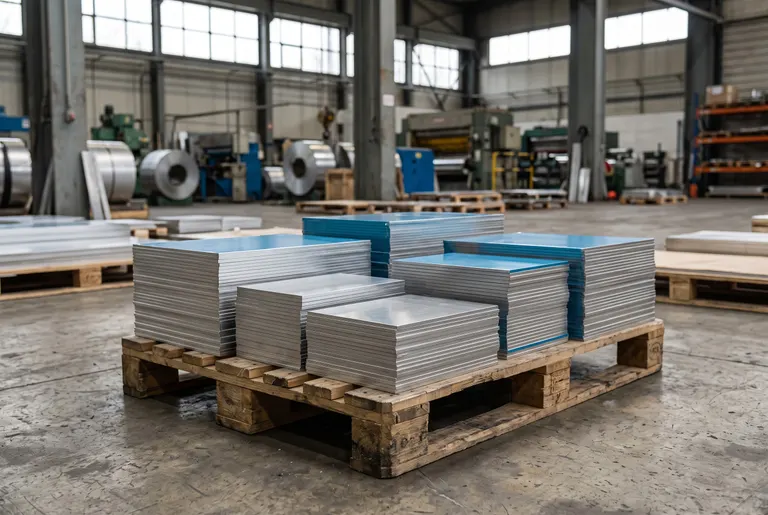
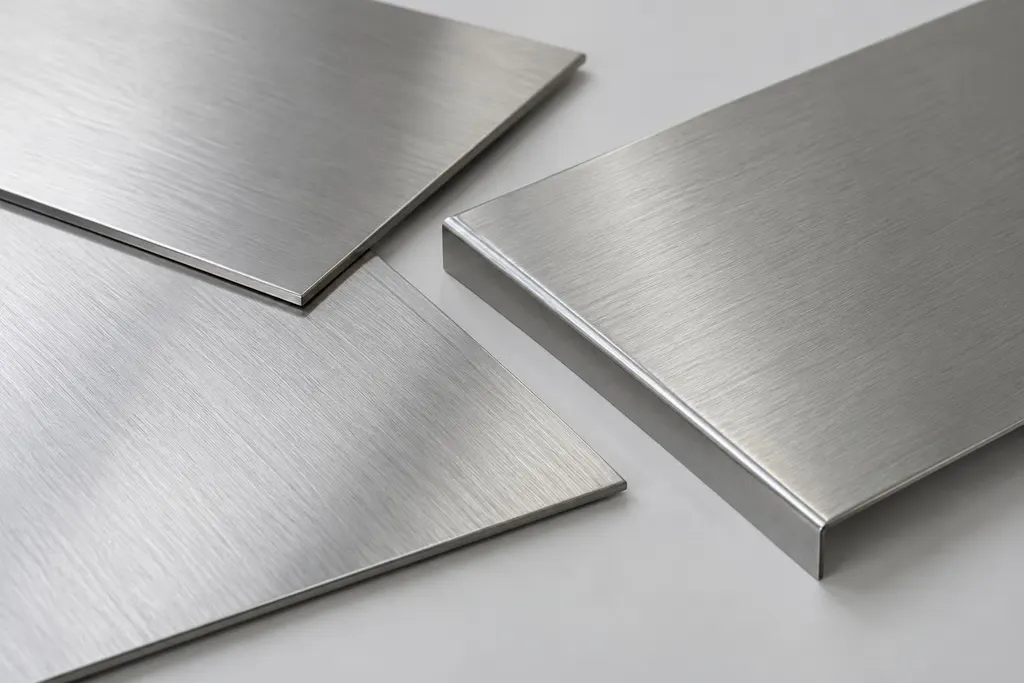
We supply the coil and sheet for those parts, with the surface protected in the way the production line needs.
Why Aluminium Works Here
Appliances are bought on how they look and returned on how they last, and the panel is the part the customer touches.
- Takes a decorative finish that survives cleaning products and daily handling.
- Forms into housings and panels without heavy tooling.
- Conducts heat away from components inside the housing.
- Does not corrode in a kitchen or laundry environment.
What We Supply
| Product | How it is used here |
|---|---|
| Anodised coil and sheet | Visible panels with a metallic finish that resists handling marks. |
| Colour coated coil | Painted panels and housings in a matched colour. |
| Stamping stock | Formed internal components, brackets and trays. |
| Aluminium strip | Trim, edging and narrow formed parts. |
Specification Notes
- Say whether the face needs protective film through fabrication; retrofitting it is worse than ordering it.
- Match colour and gloss across parts made on different lines before production, not after.
- Forming direction affects how an anodised surface catches light on a large flat panel.
- Keep one specification across a product family; mixed batches show under showroom lighting.
Ordering Information
Tell us what the part has to do and we will tell you which of our products fits, or say that none of them does. Standard specifications start at 1 MT; material made to your own drawing starts at 6 MT. Alloy, temper, thickness, width, coil inner diameter and quantity are what we need to quote a specific price rather than a range.